Beginning with How to Light Your Home: 10 Lighting Tips for Every Room, the narrative unfolds in a compelling and distinctive manner, drawing readers into a story that promises to be both engaging and uniquely memorable.
Exploring the significance of proper lighting in every room, understanding the impact of different lighting setups on mood and productivity, and discovering tips on creating a well-lit space without compromising style sets the stage for an enlightening journey through home lighting.
Importance of Proper Lighting
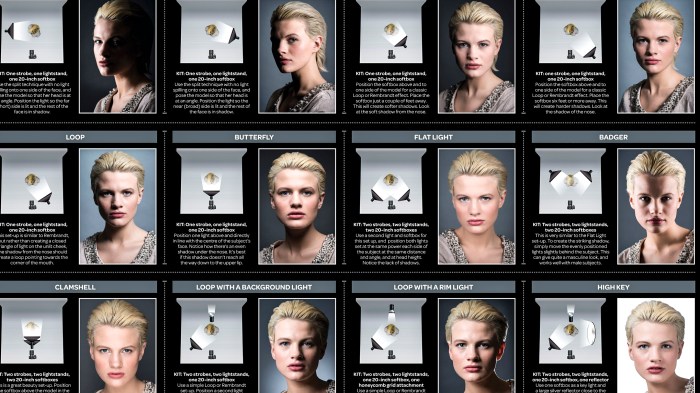
Proper lighting is crucial for every room in the home as it affects not only the functionality but also the overall ambiance of the space. The right lighting can enhance mood, productivity, and even the aesthetics of a room. Here are some key reasons why proper lighting is essential:
Impact of Different Lighting Setups
- Harsh overhead lighting can create a stark and unwelcoming atmosphere, while soft, diffused lighting can make a room feel cozy and inviting.
- Task lighting, such as desk lamps or under-cabinet lights, can improve productivity by providing adequate illumination for specific activities.
- Ambient lighting, like wall sconces or floor lamps, can set the tone for relaxation or entertaining in a living room or bedroom.
Enhancing Aesthetics with Lighting
- Accent lighting, such as spotlights or picture lights, can highlight artwork or architectural features to add visual interest to a room.
- Dimmer switches allow for flexibility in adjusting the brightness of lights, creating different moods for various occasions.
- Layering different types of lighting, including ambient, task, and accent lighting, can add depth and dimension to a room’s design.
Tips for Creating a Well-Lit Space
- Use a mix of overhead, task, and accent lighting to provide adequate illumination for different activities.
- Choose light fixtures that complement the style of the room while still meeting the lighting needs.
- Consider the color temperature of light bulbs (warm vs. cool) to create the desired ambiance.
- Utilize natural light whenever possible by keeping windows unobstructed and using light-colored window treatments.
- Experiment with lighting placement and intensity to find the perfect balance between functionality and aesthetics.
Types of Lighting Fixtures
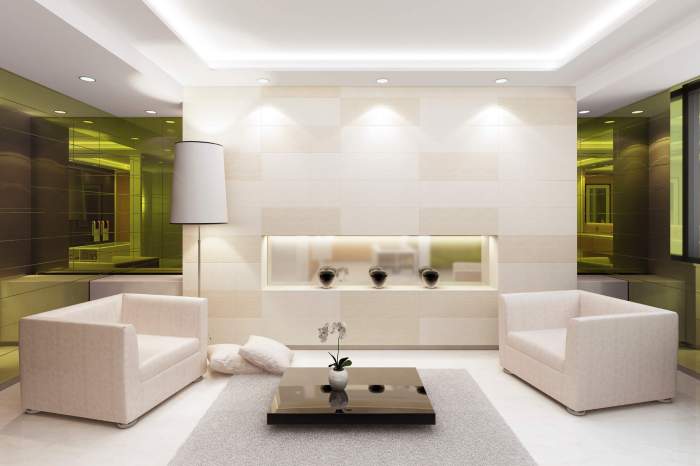
When it comes to lighting your home, there are several types of lighting fixtures to choose from. Each type serves a specific purpose and can enhance the overall ambiance of a room. Understanding the differences between ambient, task, and accent lighting can help you create a well-lit and inviting space.
Ambient Lighting
Ambient lighting, also known as general lighting, provides overall illumination to a room. This type of lighting fixture typically includes ceiling-mounted fixtures, chandeliers, and wall sconces. Ambient lighting ensures that a room is evenly lit and sets the foundation for the overall lighting scheme.
Task Lighting
Task lighting is focused lighting that helps you perform specific activities, such as reading, cooking, or working. Common fixtures for task lighting include desk lamps, under-cabinet lights, and pendant lights. Task lighting should be strategically placed to minimize glare and shadows, making it easier to complete tasks effectively.
Accent Lighting
Accent lighting is used to highlight specific features in a room, such as artwork, architectural details, or plants. This type of lighting fixture adds depth and visual interest to a space. Examples of accent lighting fixtures include track lighting, wall-mounted spotlights, and picture lights. Accent lighting should be adjustable to direct light precisely where you want it.
Layering Light
To achieve optimal illumination in your home, it’s essential to layer different types of lighting. By combining ambient, task, and accent lighting, you can create a well-balanced and visually appealing lighting scheme. For example, you can use recessed ambient lighting with pendant task lighting in a kitchen to provide overall brightness and focused light for cooking tasks. Experiment with different combinations of fixtures to find the right balance for each room in your home.
Lighting Tips for Specific Rooms
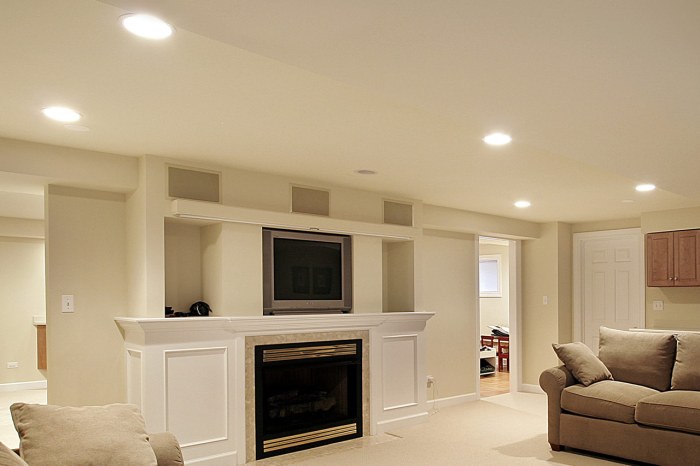
When it comes to lighting different rooms in your home, it’s essential to consider the function of each space. From creating a cozy ambiance in the bedroom to ensuring optimal lighting for tasks in the kitchen, here are some tips for lighting specific rooms:
Living Room
For the living room, consider using a combination of overhead lighting, table lamps, and floor lamps to create a warm and inviting atmosphere. Use dimmer switches to adjust the lighting levels based on different activities such as watching TV, entertaining guests, or reading.
Bedroom
In the bedroom, aim for a mix of ambient lighting and task lighting. Consider installing wall sconces or bedside lamps for reading, and use soft, warm light bulbs to create a relaxing environment. Make sure to dim the lights in the evening to signal to your body that it’s time to unwind and rest.
Kitchen
When it comes to the kitchen, prioritize task lighting over ambient lighting. Install bright overhead lights or under-cabinet lighting to illuminate countertops and cooking areas. Consider adding pendant lights above the kitchen island for both functionality and style.
Bathroom
In the bathroom, it’s crucial to have adequate lighting for grooming tasks. Install vanity lights on either side of the mirror to prevent shadows on your face. Consider using daylight bulbs to mimic natural light and ensure accurate makeup application.
Epilogue
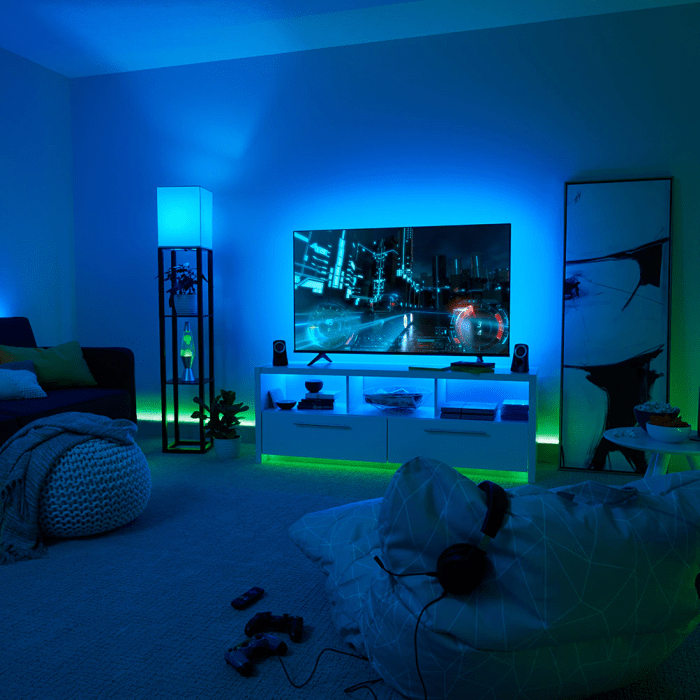
In conclusion, mastering the art of lighting your home is not only about illuminating spaces but also about creating atmospheres that complement your lifestyle. By following the 10 lighting tips discussed, you can transform your rooms into inviting and functional spaces that cater to your every need.