With How to Be More Assertive: 7 Assertiveness Techniques at the forefront, this paragraph opens a window to an amazing start and intrigue, inviting readers to embark on a storytelling casual formal language style filled with unexpected twists and insights.
As we delve into the art of assertiveness, we uncover valuable techniques and strategies to navigate various interpersonal situations with confidence and clarity.
Assertiveness Techniques
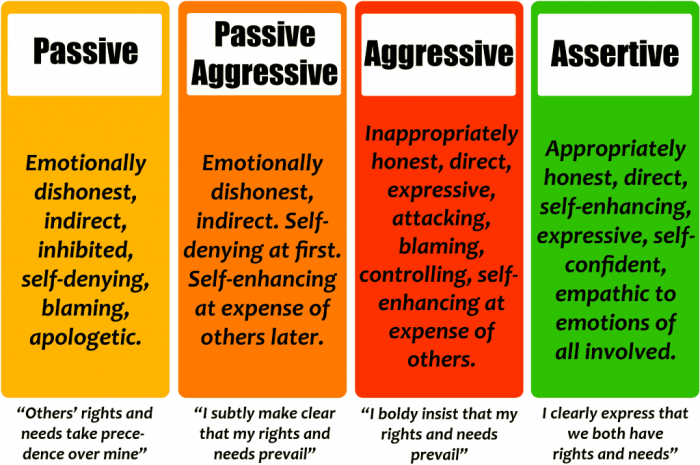
Assertiveness is a communication style that involves expressing your thoughts, feelings, and needs in a direct and respectful manner, while also considering the rights and feelings of others.
Examples of Assertive Behavior
- Assertive: “I appreciate your offer to help, but I prefer to work on this project independently.”
- Aggressive: “I don’t need your help, so just stay out of my way!”
- Passive: “Sure, we can work on this together if that’s what you want.”
Importance of Being Assertive
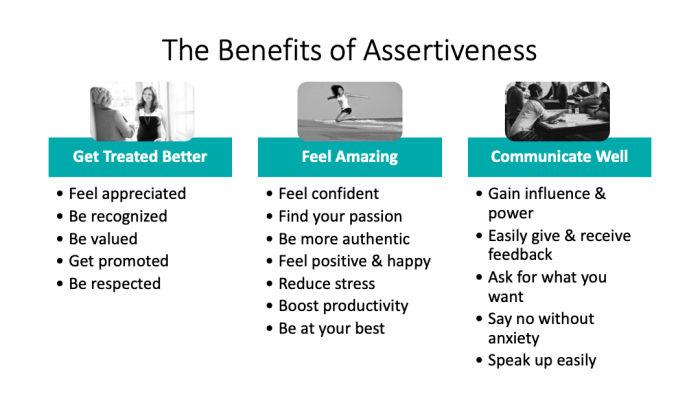
Being assertive is crucial in various life situations as it helps in setting boundaries, building self-confidence, improving relationships, and resolving conflicts effectively. It allows you to communicate your needs clearly and stand up for yourself without being aggressive or passive.
Techniques to Improve Assertiveness
Improving assertiveness involves identifying common barriers and finding ways to overcome them. It also includes practical tips on communicating assertively without coming across as confrontational, as well as strategies to boost self-confidence for enhanced assertiveness.
Identifying Common Barriers to Assertiveness
One common barrier to assertiveness is fear of conflict or rejection. This fear can often hold individuals back from expressing their needs and boundaries. To overcome this barrier, it is important to practice self-compassion and remind yourself that your opinions and feelings are valid.
Another barrier is the tendency to people-please, which can result in putting others’ needs above your own. Setting boundaries and learning to say no when necessary can help overcome this barrier.
Practical Tips for Communicating Assertively
- Avoid using aggressive language or tone, and instead, focus on expressing your thoughts and feelings calmly and clearly.
- Use “I” statements to take ownership of your feelings and opinions, such as “I feel” or “I believe,” rather than placing blame or making accusations.
- Practice active listening to show that you respect the other person’s perspective, while also asserting your own.
Building Self-Confidence to Enhance Assertiveness
- Acknowledge your strengths and accomplishments to boost self-esteem and confidence in your abilities.
- Set achievable goals and celebrate small victories along the way to build a sense of accomplishment.
- Practice self-care and prioritize activities that make you feel good about yourself, which can contribute to overall confidence levels.
Assertiveness Strategies

In addition to assertiveness techniques like “broken record” and “fogging,” there are various strategies individuals can employ to become more assertive in their interactions.
One key aspect of assertiveness is setting boundaries effectively in different relationships. This involves clearly communicating your needs, values, and limits to others, while also respecting their boundaries. By establishing and maintaining healthy boundaries, individuals can cultivate more balanced and respectful relationships.
Setting Boundaries Effectively
Setting boundaries involves identifying what is acceptable and unacceptable behavior for you, and then communicating this assertively to others. Here are some tips for setting boundaries effectively:
- Clearly define your boundaries: Take time to reflect on your values and limits, and clearly articulate them to yourself before expressing them to others.
- Use “I” statements: When communicating your boundaries, use assertive language such as “I feel…” or “I need…” to express your feelings and needs clearly.
- Be consistent: Consistently reinforce your boundaries with firm but respectful communication to ensure they are respected over time.
- Practice self-care: Setting boundaries also involves taking care of yourself and prioritizing your well-being, so make sure to practice self-care regularly.
Real-Life Scenarios and Positive Outcomes
In real-life scenarios, assertiveness can lead to positive outcomes by empowering individuals to communicate effectively, stand up for themselves, and maintain healthy relationships. For example, in a work setting, assertiveness can help employees express their ideas confidently, set boundaries with colleagues, and negotiate effectively. This can lead to increased respect from coworkers, improved collaboration, and a more positive work environment overall.
By practicing assertiveness techniques and strategies like setting boundaries effectively, individuals can enhance their communication skills, build self-confidence, and cultivate more fulfilling relationships in various aspects of their lives.
End of Discussion

Empower yourself with these assertiveness techniques to communicate effectively, set boundaries, and achieve positive outcomes in all areas of your life. Take charge, be assertive, and watch your relationships and self-confidence flourish.