How to Develop Your Emotional Intelligence: 10 EQ Skills sets the stage for this enthralling narrative, offering readers a glimpse into a story that is rich in detail with casual formal language style and brimming with originality from the outset.
Understanding emotional intelligence is crucial in personal and professional settings. This guide will delve into the key components and practical strategies to enhance your EQ skills effectively.
Understanding Emotional Intelligence
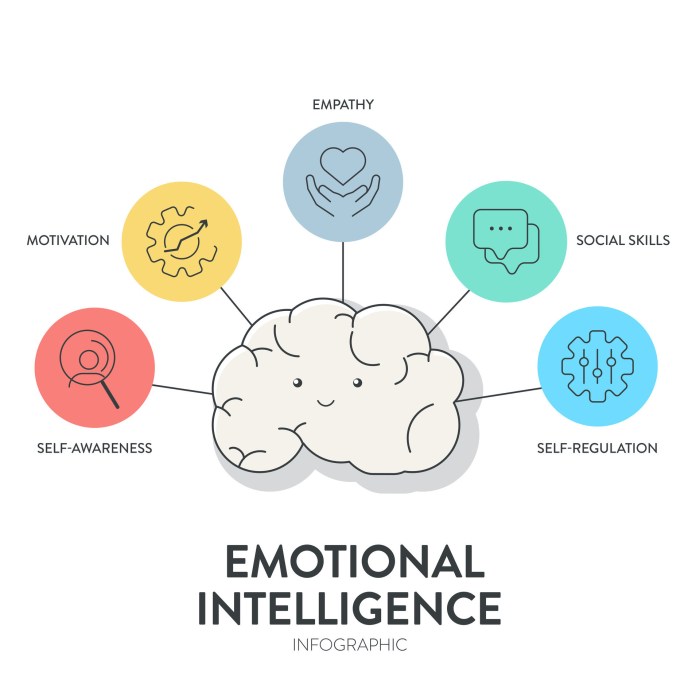
Emotional intelligence (EQ) is the ability to understand and manage your own emotions, as well as recognize and influence the emotions of others. It plays a crucial role in both personal and professional life, impacting decision-making, relationships, and overall well-being.
Components of Emotional Intelligence
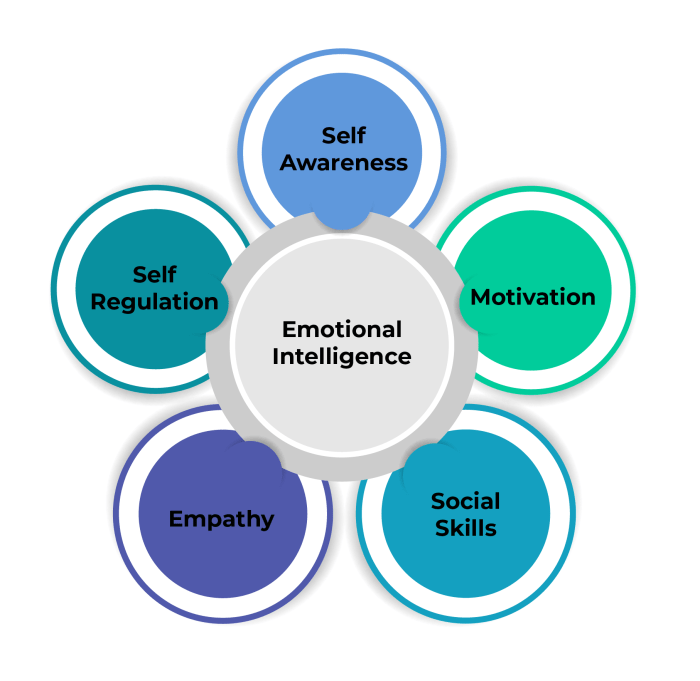
- Self-awareness: This involves recognizing your own emotions and understanding how they affect your thoughts and behavior.
- Self-regulation: The ability to control impulsive behaviors and manage emotions in healthy ways.
- Motivation: Having a strong drive to pursue goals with energy and persistence, even in the face of setbacks.
- Empathy: The capacity to understand and share the feelings of others, creating stronger connections and relationships.
- Social skills: The ability to manage relationships effectively, communicate clearly, and resolve conflicts in a constructive manner.
Impact of Emotional Intelligence
Emotional intelligence influences decision-making by helping individuals consider not only rational facts but also emotional cues. For example, a leader with high EQ may take into account the feelings of team members before making a decision that affects them.
In relationships, emotional intelligence fosters better communication, empathy, and understanding. It allows individuals to navigate conflicts more effectively and build deeper connections with others, leading to more fulfilling personal and professional interactions.
Developing Emotional Intelligence Skills
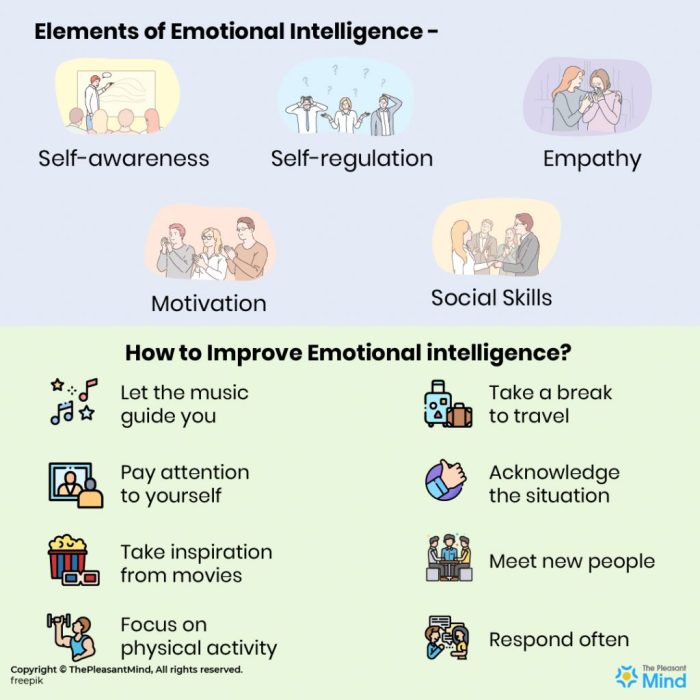
Improving emotional intelligence involves developing key skills that can enhance self-awareness, self-regulation, and empathy. These skills are crucial for building strong relationships and effectively managing emotions in various situations.
Enhancing Self-Awareness
Self-awareness is the foundation of emotional intelligence and involves recognizing and understanding your own emotions. Here are some strategies to enhance self-awareness:
- Journaling: Keeping a journal can help you track your emotions, thoughts, and behaviors. Reflecting on your entries can provide valuable insights into your emotional patterns.
- Mindfulness Practices: Practicing mindfulness can help you become more aware of your emotions in the present moment. Techniques such as meditation and deep breathing exercises can help you stay grounded and focused.
Improving Self-Regulation
Self-regulation involves managing and controlling your emotions effectively. Here are techniques to improve self-regulation:
- Deep Breathing: Taking deep breaths can help calm your mind and body during moments of stress or intense emotions. Practice deep breathing exercises to regain control and respond more thoughtfully.
- Positive Self-Talk: Engage in positive self-talk to challenge negative thoughts and emotions. Replace self-critical statements with affirming and encouraging words to promote a more balanced mindset.
Cultivating Empathy
Empathy is the ability to understand and share the feelings of others. Here are ways to cultivate empathy:
- Active Listening: Practice active listening by focusing on the speaker without interrupting or judging. Show empathy by acknowledging the other person’s emotions and perspectives.
- Perspective-Taking Exercises: Put yourself in someone else’s shoes to understand their feelings and experiences. Consider different viewpoints to develop empathy and strengthen your relationships.
Applying Emotional Intelligence in Daily Life
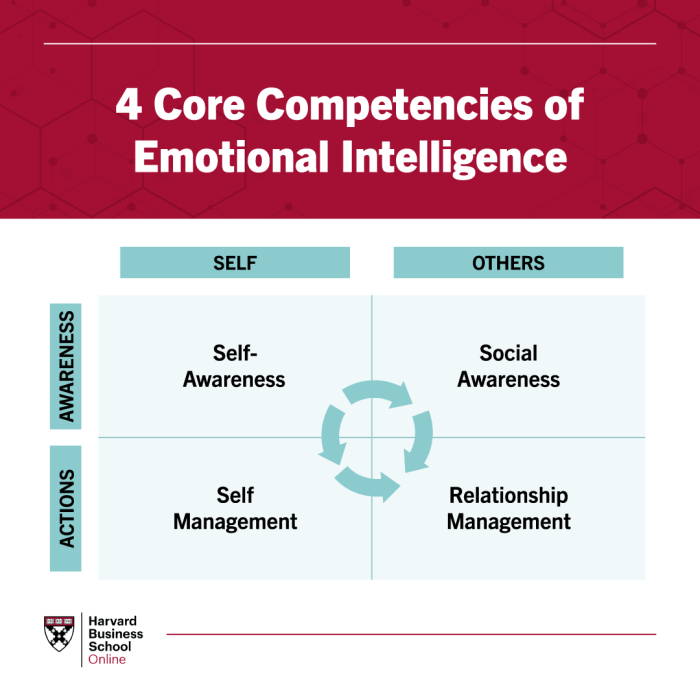
Emotional intelligence plays a crucial role in our daily interactions and overall well-being. By learning how to apply EQ skills effectively, we can navigate through different situations with more ease and success.
Conflict Resolution and Communication
One key aspect of applying emotional intelligence in daily life is using it in conflict resolution and communication. By understanding our emotions and those of others, we can navigate disagreements more effectively and find solutions that benefit all parties involved.
- Practice active listening to truly understand the other person’s perspective.
- Express your thoughts and feelings clearly and assertively, while also being empathetic towards the other person.
- Avoid reacting impulsively in heated moments, take a moment to breathe and think before responding.
Managing Emotions in Stressful Situations
Another important application of emotional intelligence is managing emotions effectively in stressful situations. By staying calm and composed, we can make better decisions and handle challenges with a clear mind.
- Practice mindfulness and deep breathing techniques to stay grounded in the present moment.
- Identify triggers that cause stress and develop coping mechanisms to deal with them proactively.
- Seek support from trusted individuals or professionals when feeling overwhelmed.
Benefits of Developing Emotional Intelligence
Developing emotional intelligence not only improves our relationships and communication but also contributes to our overall well-being and success in various aspects of life.
EQ skills can lead to better mental health, increased empathy, and enhanced leadership abilities.
Individuals with high emotional intelligence tend to have stronger social connections and higher levels of resilience.
Emotional intelligence is also linked to higher job performance and career advancement opportunities.
Final Review
In conclusion, mastering emotional intelligence can significantly improve decision-making, relationships, and overall well-being. By honing these skills, you pave the way for greater success and fulfillment in various aspects of your life.