Starting with “How to Organize Your Home: 12 Tips for Decluttering and Organizing Every Room,” this paragraph sets the stage for an insightful exploration of decluttering and organizing techniques in a captivating manner.
The following paragraph will delve into practical advice and strategies for achieving a clutter-free and organized living space.
Tips for Decluttering Every Room

Decluttering is a crucial first step in organizing your home. It involves getting rid of unnecessary items and creating a more functional and aesthetically pleasing living space. Here are some tips to help you declutter every room in your house.
Kitchen
- Start by going through your pantry and refrigerator to check for expired items.
- Clear off countertops and only keep essential items within reach.
- Donate or discard appliances and gadgets that you no longer use.
Bedroom
- Sort through your clothes and donate or sell items that you haven’t worn in a year.
- Invest in storage solutions like under-bed storage containers or closet organizers.
- Keep nightstands and dressers clutter-free by only displaying essential items.
Living Room
- Declutter shelves and coffee tables by removing excess decor and books.
- Create designated areas for items like remote controls, magazines, and blankets.
- Consider multi-functional furniture pieces that offer storage options.
Strategies for Organizing Each Room
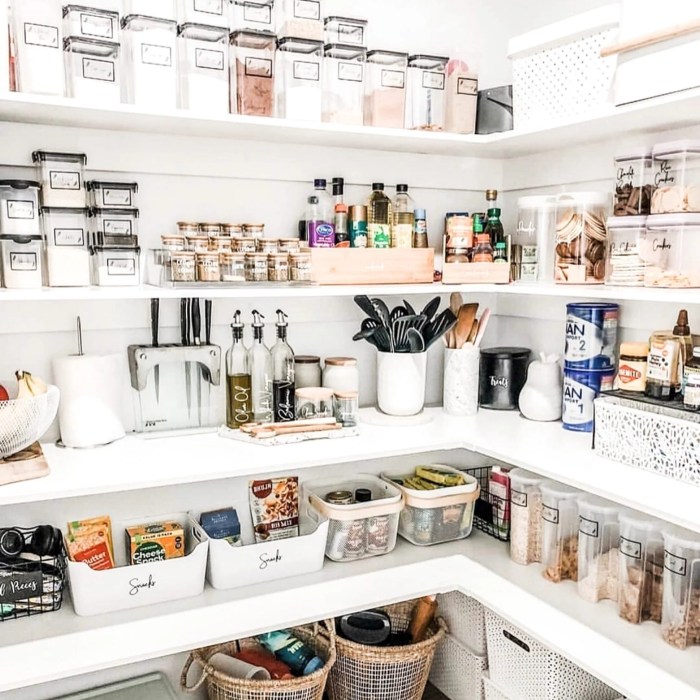
Organizing different rooms in your home requires a systematic approach to ensure efficiency and effectiveness. By creating a tailored system for each space, you can maximize storage, minimize clutter, and maintain a tidy environment throughout your home.
Creating a System for Organizing Different Rooms
Before diving into organizing a specific room, it’s essential to establish a system that works for you and your household. This may involve categorizing items, setting designated storage areas, and implementing daily routines to maintain organization.
- Start by decluttering each room and sorting items into categories such as keep, donate, or discard.
- Assign specific storage spaces for different types of items to ensure easy access and efficient organization.
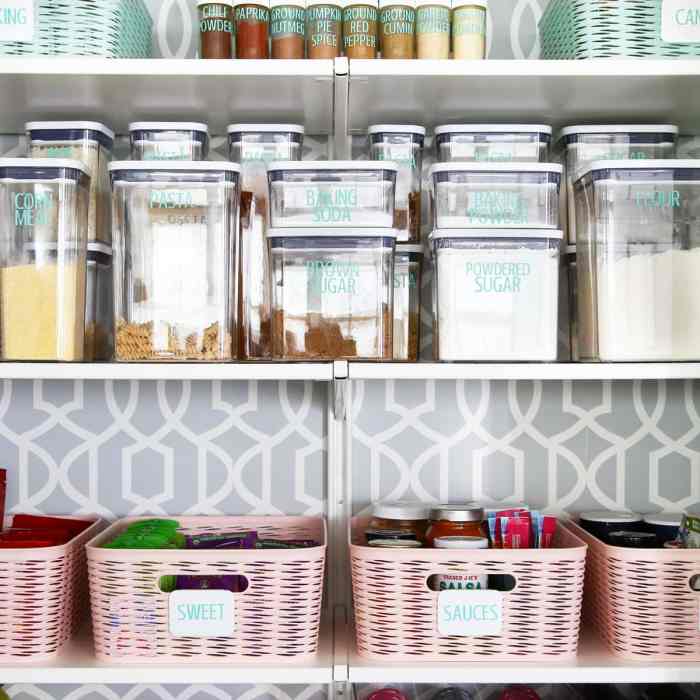
- Label storage containers or shelves to help you and your family members quickly locate items and maintain organization over time.
Comparing and Contrasting Organizing Techniques for Various Spaces
While the basic principles of organization apply to every room, each space may require different techniques based on its function and the items it houses. Here are some strategies to consider:
| Room | Organizing Technique |
|---|---|
| Kitchen | Utilize clear containers and labels for pantry items to easily identify and access ingredients. |
| Bedroom | Implement a daily tidying routine to keep clothing and personal items organized and put away. |
| Living Room | Use multifunctional furniture with built-in storage to maximize space and reduce clutter. |
Detailing the Process of Categorizing Items Before Organizing Them
Before organizing any room, it’s crucial to categorize items to streamline the process and ensure everything has its designated place. Follow these steps to categorize effectively:
- Sort items into broad categories such as clothing, books, electronics, and sentimental items.
- Further subdivide each category into more specific groups, such as winter clothing, fiction books, or kitchen gadgets.
- Assign a storage location for each subcategory based on frequency of use and accessibility.
Maintaining an Organized Home
Maintaining an organized home is crucial to ensure that the hard work put into decluttering and organizing each room does not go to waste. Without a proper maintenance plan, clutter can quickly creep back in, undoing all the progress made. It is essential to design a maintenance strategy that is realistic and sustainable for your lifestyle.
Designing a Maintenance Plan
- Set aside time each day to tidy up: Allocate a few minutes each day to put things back in their place and prevent clutter from accumulating.
- Regularly declutter: Schedule regular decluttering sessions to get rid of items that are no longer needed or used.
- Create a system for incoming items: Establish a system for dealing with new items entering your home to prevent them from causing clutter.
- Involve the whole family: Encourage everyone in the household to participate in maintaining the organization to distribute the workload and ensure everyone takes responsibility.
Identifying Common Pitfalls
- Procrastination: Putting off organizing tasks can lead to clutter build-up and make it harder to maintain a tidy space.
- Not having designated storage areas: Without specific places for items, it becomes challenging to keep things organized.
- Impulse buying: Purchasing items on a whim without considering if they are needed can lead to unnecessary clutter.
- Lack of follow-through: Starting organization projects but not completing them can create more mess and chaos.
Benefits of Maintaining a Clutter-Free Living Space
- Reduced stress: A clutter-free environment can help reduce stress and create a sense of calm and relaxation.
- Improved productivity: An organized space can increase productivity and efficiency by eliminating distractions.
- Enhanced mental clarity: Clutter can cloud the mind, while an organized home can promote mental clarity and focus.
- Increased safety: Removing clutter can prevent accidents and injuries caused by tripping over items or having items fall on you.
Summary
In conclusion, the importance of maintaining an organized home for a stress-free lifestyle will be highlighted, wrapping up the discussion on a compelling note.