Kicking off with How to Make Your Home More Energy Efficient: 10 Tips for Saving Energy and Money, this opening paragraph is designed to captivate and engage the readers, setting the tone casual formal language style that unfolds with each word.
Explaining the importance of energy efficiency in homes, the benefits of improving it, and the impact on the environment and finances. Moving on to practical tips for enhancing energy efficiency through insulation, energy-efficient appliances, and smart technology. Finally, diving into renewable energy solutions like solar panels and wind turbines for long-term savings.
Importance of Energy Efficiency in Homes
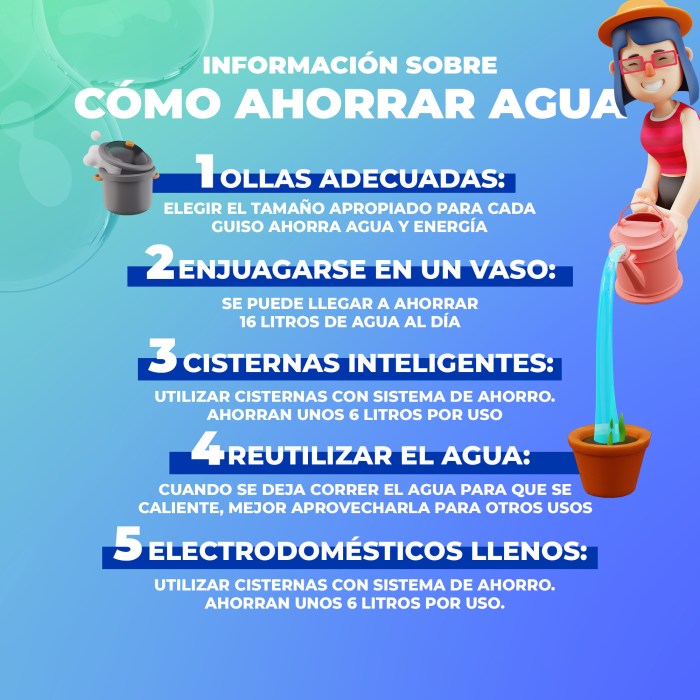
Energy efficiency is crucial for homeowners because it not only helps reduce utility bills but also has a positive impact on the environment. By implementing energy-efficient practices in your home, you can lower your carbon footprint and contribute to a more sustainable future.
Benefits of Improving Energy Efficiency
Improving energy efficiency in your home can benefit both the environment and your wallet. Here are some examples:
- Lower energy bills: Energy-efficient homes consume less electricity, resulting in lower utility bills each month.
- Reduced greenhouse gas emissions: By using less energy, you can help reduce the amount of greenhouse gases released into the atmosphere.
- Increased comfort: Energy-efficient homes are better insulated and have improved ventilation, leading to a more comfortable living environment.
- Enhanced property value: Energy-efficient upgrades can increase the resale value of your home.
Statistics on Energy Consumption and Savings
According to the U.S. Energy Information Administration, homes account for about 20% of total energy consumption in the country. By adopting energy-efficient practices, homeowners have the potential to save up to 30% on their energy bills.
Tips for Improving Energy Efficiency
Proper insulation and sealing play a crucial role in making your home more energy-efficient. By ensuring that your home is well-insulated and sealed, you can prevent heat loss during the winter and keep cool air inside during the summer. This not only helps maintain a comfortable indoor temperature but also reduces the workload on your heating and cooling systems, leading to lower energy consumption and costs.
Importance of Proper Insulation and Sealing
Proper insulation and sealing help create a thermal barrier in your home, preventing heat transfer through walls, ceilings, and floors. This means that your heating and cooling systems don’t have to work as hard to maintain a consistent temperature, resulting in energy savings and reduced utility bills.
Benefits of Energy-Efficient Appliances and Lighting
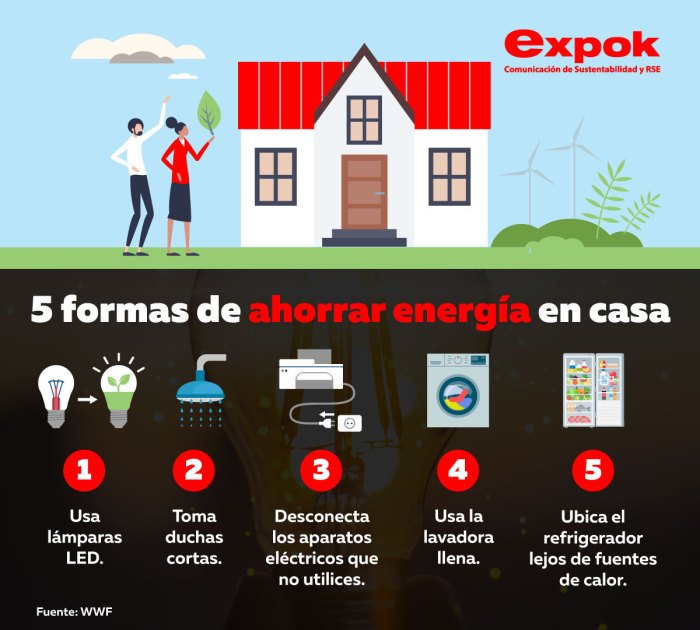
- Energy-efficient appliances use less energy to perform the same tasks as their traditional counterparts. This not only reduces your energy consumption but also lowers your utility bills over time.
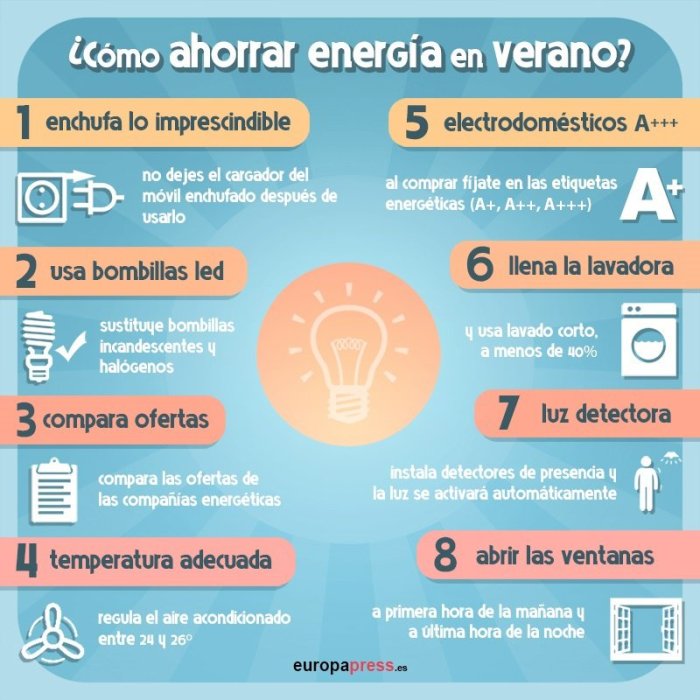
- Switching to energy-efficient lighting, such as LED bulbs, can also help you save on electricity costs. LED bulbs use significantly less energy and last much longer than traditional incandescent bulbs.
Adjusting Thermostat Settings and Utilizing Natural Light
- Setting your thermostat a few degrees lower in the winter and a few degrees higher in the summer can lead to substantial energy savings. You can also invest in a programmable thermostat to automatically adjust the temperature based on your schedule.
- Utilizing natural light by opening curtains and blinds during the day can reduce the need for artificial lighting, further cutting down on energy usage. This simple adjustment not only saves energy but also enhances the ambiance of your home.
Renewable Energy Solutions for Homes

Renewable energy solutions offer a sustainable way to power homes while reducing environmental impact. By harnessing natural resources like sunlight and wind, homeowners can decrease their reliance on traditional energy sources and lower utility bills in the long run.
Solar Panels for Residential Use
- Solar panels convert sunlight into electricity, providing a clean and renewable energy source for homes.
- Investing in solar panels can initially be costly, but the long-term savings on energy bills make it a cost-effective solution.
- Many governments offer incentives and rebates for installing solar panels, further offsetting the upfront costs.
Wind Turbines for Residential Use
- Wind turbines harness wind power to generate electricity, especially beneficial in areas with consistent wind patterns.
- While wind turbines require a significant upfront investment, they can significantly reduce or even eliminate electricity bills over time.
- Homeowners can also sell excess electricity back to the grid, providing additional savings and potentially generating income.
Smart Home Technology for Energy Optimization
- Smart home technology, such as smart thermostats and energy monitoring systems, can help homeowners optimize energy consumption and reduce waste.
- These devices can automatically adjust settings based on usage patterns and energy demand, leading to more efficient energy use.
- By integrating smart home technology into renewable energy systems, homeowners can maximize the benefits of clean energy and further reduce their carbon footprint.
Final Thoughts
Summing up the key points discussed in this guide on making homes more energy-efficient, emphasizing the importance of these practices in saving energy and money while reducing environmental impact.